Saturday, November 22, 2025

Before Sleeping


As we get ready for bed or set down to rest after a long day, it’s important to keep remembrance of Allah (SWT) at the forefront of our minds. This can be done by reciting various du’as for sleeping and waking.

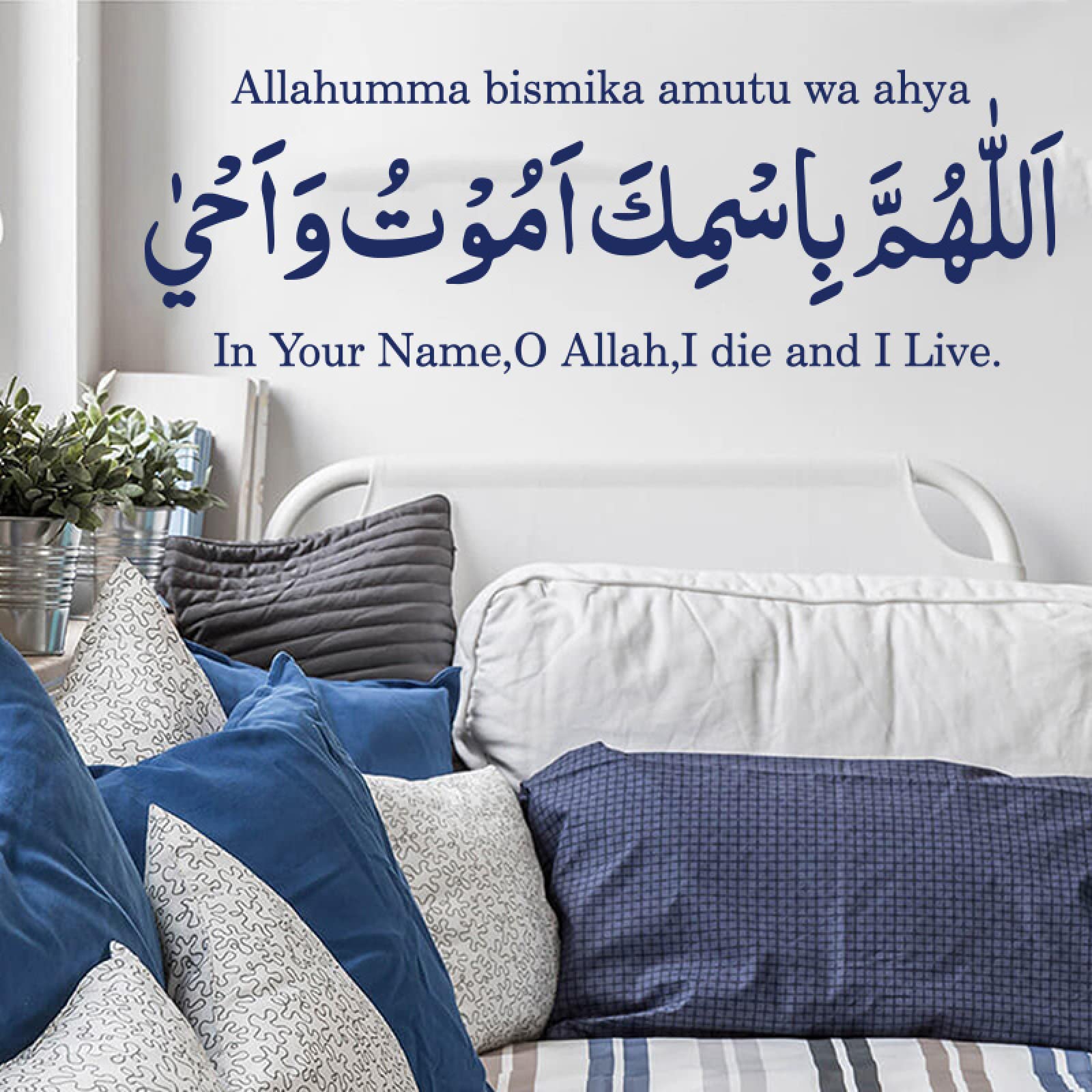
 🕌 Dua Before Sleeping

Arabic:

اللَّهُمَّ بِاسْمِكَ أَمُوتُ وَأَحْيَا

Transliteration:

Allāhumma bismika aḥyā wa bismika amūt

Translation:

O Allah, in Your name I live and in Your name I die.

(Sahih al-Bukhari)

Hadith Context:

When the Prophet ﷺ would lie down to sleep, he would place his right hand under his cheek and recite this dua.

(Bukhari 6314)

Explanation:

Each night, as we close our eyes, we’re reminded that life and death are entirely in Allah’s hands. This dua teaches us surrender — to sleep with trust, not worry. It’s a moment to hand over our heart, our plans, and our life to the One who never sleeps. 🌙

Thursday, November 20, 2025

When Leaving the House


 When we leave our homes, we step into a world of distractions, risks, temptations, and situations we cannot control.

✨ But the Prophet ﷺ taught us a dua that wraps us in divine protection — a reminder that no matter where we go, Allah is the One who guards us.

✨  Dua When Leaving the House 🏡 

Arabic:

بِسْمِ اللَّهِ، تَوَكَّلْتُ عَلَى اللَّهِ، وَلَا حَوْلَ وَلَا قُوَّةَ إِلَّا بِاللَّهِ

Transliteration:

Bismillāh, tawakkaltu ‘alallāh, wa lā ḥawla wa lā quwwata illā billāh.

Translation:

“In the name of Allah. I place my trust in Allah. There is no power nor might except through Allah.”

Reference:

Sunan Abi Dawud (Authentic)

Virtue:

When this dua is recited, the angels respond:

“You are guided, protected, and taken care of.”

And Shayṭān moves aside, unable to harm you that day.

A single sentence — and the entire journey becomes blessed.


Wednesday, November 19, 2025

When Entering the House


Before we enter our homes, our minds are full — work stress, noise, errands, messages, worries. But the moment the door opens, we want peace to enter with us, not tension.

The Prophet ﷺ taught a beautiful practice: start with Allah’s name so that blessings enter before you do, and Shayṭān stays out.


 Dua When Entering the House

Arabic:

بِسْمِ اللَّهِ وَلَجْنَا، وَبِسْمِ اللَّهِ خَرَجْنَا، وَعَلَى اللَّهِ رَبِّنَا تَوَكَّلْنَا


Transliteration:

Bismillāhi walajnā, wa bismillāhi kharajnā, wa ‘alallāhi rabbina tawakkalnā


Translation:

“In the name of Allah we enter, in the name of Allah we leave, and upon our Lord we place our trust.”


Reference:

Sunan Abi Dawud (authentic)


Virtue:

When the believer says “Bismillah” before entering, Shayṭān says: “There is no place for me to stay tonight.”

Your home becomes a place of sakīnah and barakah — all with one simple remembrance.

Monday, November 17, 2025

When Served Food


When we’re invited or offered food, whether we eat a little or a lot, the Prophet ﷺ taught us not to leave without a heartfelt dua for the host. His words were full of gratitude and barakah — a sunnah that turns simple hospitality into a moment of prayer.


🍽️ Dua for the Host (When Offered or Served Food)

Arabic:
اللَّهُمَّ بَارِكْ لَهُمْ فِيمَا رَزَقْتَهُمْ، وَاغْفِرْ لَهُمْ، وَارْحَمْهُمْ

Transliteration:
Allāhumma bārik lahum fīmā razaqtahum, waghfir lahum, warḥamhum

Translation:
O Allah, bless them in what You have provided for them, forgive them, and have mercy on them.

Source:
(Sahih Muslim, 2042)

Virtue:
The Prophet ﷺ recited this dua after being served food by his companions. It carries three gifts: barakah (blessing) in their provision, maghfirah (forgiveness) for their sins, and rahmah (mercy) upon their hearts.

Explanation:
Gratitude in Islam isn’t just spoken — it’s prayed. This dua transforms a simple “thank you” into lasting goodness for the host. It reminds us that every act of kindness deserves a dua, and every meal shared is a chance to spread blessings.

Sunday, November 16, 2025

When Offered Food


Sometimes we visit someone, and they kindly offer food, but we’re not hungry or unable to eat. Even then, the Prophet ﷺ didn’t let the moment pass without a prayer of kindness and blessing for the host.

🍽️  Dua for Someone Who Offers You Food but You Don’t Eat 

Arabic:
اللَّهُمَّ أَطْعِمْهُ مِمَّا أَطْعَمَنِي، وَاسْقِهِ مِمَّا سَقَانِي

Transliteration:
Allāhumma aṭ‘imhu mimmā aṭ‘amanī, wasqihi mimmā saqānī

Translation:
O Allah, feed him from what You have fed me, and give him drink from what You have given me.

Source:
(Sahih Muslim, 2044)

Virtue:
The Prophet ﷺ said this dua even when he only received an offer and didn’t eat, showing his constant habit of spreading barakah. When we pray for someone who feeds or serves us, we invite Allah’s generosity upon them — a dua that never goes unheard.

Explanation:
This sunnah reflects the Prophet’s ﷺ beautiful manners — always appreciative, always praying for others. A believer’s tongue is never silent after kindness; it responds with dua. Even a simple offer of food becomes a chance to earn reward.

Saturday, November 15, 2025

Drinking Milk


When we drink milk, we rarely think beyond its taste or freshness. But the Prophet ﷺ looked deeper — he saw in it a complete blessing from Allah: nourishment, purity, and strength. Every sip became an act of gratitude and a reminder of Allah’s care.

🥛 Dua After Drinking Milk 

Arabic:
اللَّهُمَّ بَارِكْ لَنَا فِيهِ، وَزِدْنَا مِنْهُ

Transliteration:
Allāhumma bārik lanā fīhi, wa zidnā minhu

Translation:
O Allah, bless it for us and increase it for us.

Source:
(Tirmidhi, 3455; Abu Dawood, 3730)

Virtue:
The Prophet ﷺ would recite this dua after drinking milk, and he did not recite it after any other drink. It shows his appreciation for this complete nourishment — food and drink in one — and his constant habit of seeking increase from Allah.

Explanation:
Gratitude brings increase. By saying this dua, we not only thank Allah for milk but also ask Him to expand His blessings in every part of our life. It’s a reminder that a believer’s tongue is always moist with shukr — no matter how simple the blessing may seem.

Wednesday, August 6, 2014

The Most Intelligent Person


Rasul Allah (sal Allahu alaihi wa sallam) said, "The most intelligent person is the one who remembers death often." 

Explanation : If a person is thought to be very intelligent, yet fails exam after exam, soon all those around him/her will begin to think that he/she is not really very intelligent after all. To get through life with your faith intact, with good deeds, and with Allah’s pleasure as your greatest goal, is the biggest exam you will ever face. 

If you fail the exam of life you cannot call yourself intelligent, regardless of what else your “intelligence” allowed you to accumulate of education, wealth, fame or pleasure. These will all go to waste with your death, while you will still have to stand before your Lord and face the consequences for eternity. 

Your intelligence would have failed you if it didn’t give you the sense to properly attempt the biggest exam of your life. Such intelligence is cursed! In an examination hall if you start watching a movie, or discussing the score of a game, or pull out a lavish meal to eat, would you be considered sensible? No matter what your I.Q., you’d be considered mad. 

This life is one big exam. Are you busy answering the questions of what to believe and what to do or are you busy entertaining yourself? The time for enjoyment is later. Those who prepare and do well in the exam of life will be considered the intelligent ones for eternity. 

The people in Hell will say about themselves, "Had we but listened or used our intelligence, we should not (now) be among the Companions of the Blazing Fire!" [Al-Quran 67:10]

We are so engrossed in our various pursuits that the reality of death does not occur to us. Constant remembrance of death would keep us from getting easily distracted by the glittery entertainment beckoning from all directions, preventing us from seriously attempting the exam of life. Keeping death in mind would help us abstain from sin and motivate us to do good deeds without delay. 

The most intelligent person is the one who gives the exam of life his/her full attention, since there are no re-takes.